Facilities Management and the Office of Sustainability
work across campus to improve the livability of our landscapes. A healthy environment
contributes to our students’ success and provides a welcoming environment in our community. You can view a working collection of flora and fauna on campus on iNaturalist.
Campus Landscapes
As part of the Campus Landscape Enhancement Project, an
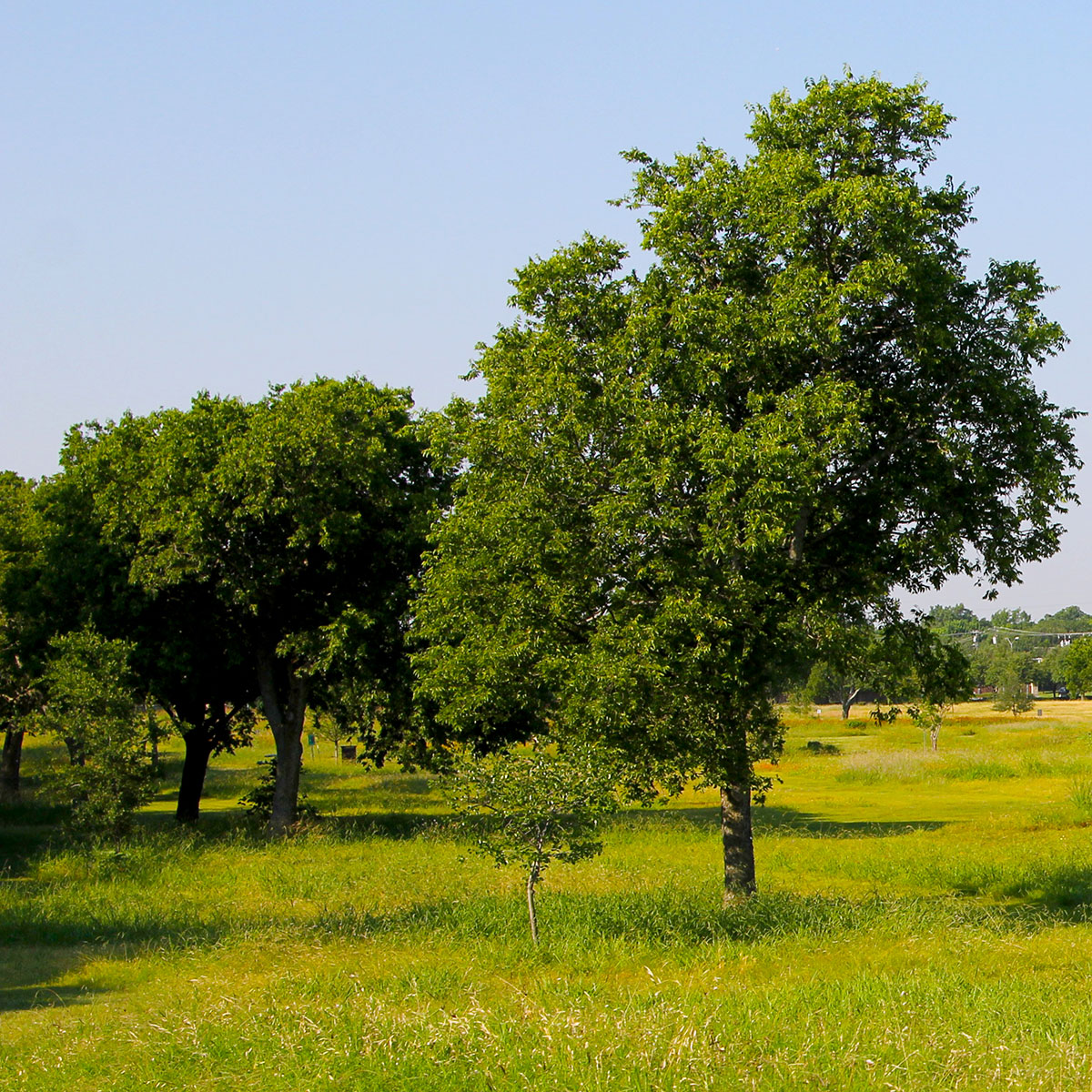
Urban Forest (PDF [Portable Document Format File] ) was established along University Drive. The forest is a densely planted area, reminiscent
of a Texas creek bed. More than 5,000 trees and shrubs were planted, many of them native
to Texas. The varieties include Afghan Pines, Bur Oaks, Caddo Maples, Cedar Elms,
Chinquapin Oaks, Magnolias, Pond Cypress and Shumard Oaks. The Urban Forest is set in
a natural riparian corridor running through campus.
Cottonwood Creek also runs through campus. The West Fork of Cottonwood Creek runs along
the west side of campus, through University Village. It ultimately joins other waterways
at White Rock Lake, part of the Trinity River watershed.
Tree Campus Higher Education
With more than 6,700 trees on campus, and as the recipient of $50 million dollars
for landscape enhancement, The University of Texas at Dallas is committed to maintaining
our fabulous landscapes. To demonstrate that commitment, the University has been recognized
by the Arbor Day Foundation as a Tree Campus Higher Education®,
a program that helps campuses establish and maintain healthy community forests.
To maintain that certification, UT Dallas has established a Tree Advisory Committee,
a standing sub-committee of the Campus Sustainability Committee. A Tree Care Plan has
been developed and implemented by Facilities Management. Tree Planting events
take place annually on campus. Service learning events are hosted by the Office of Student Volunteerism, both on
campus and with community partners.
The UT Dallas Tree Campus Higher Education® program began in 2016.
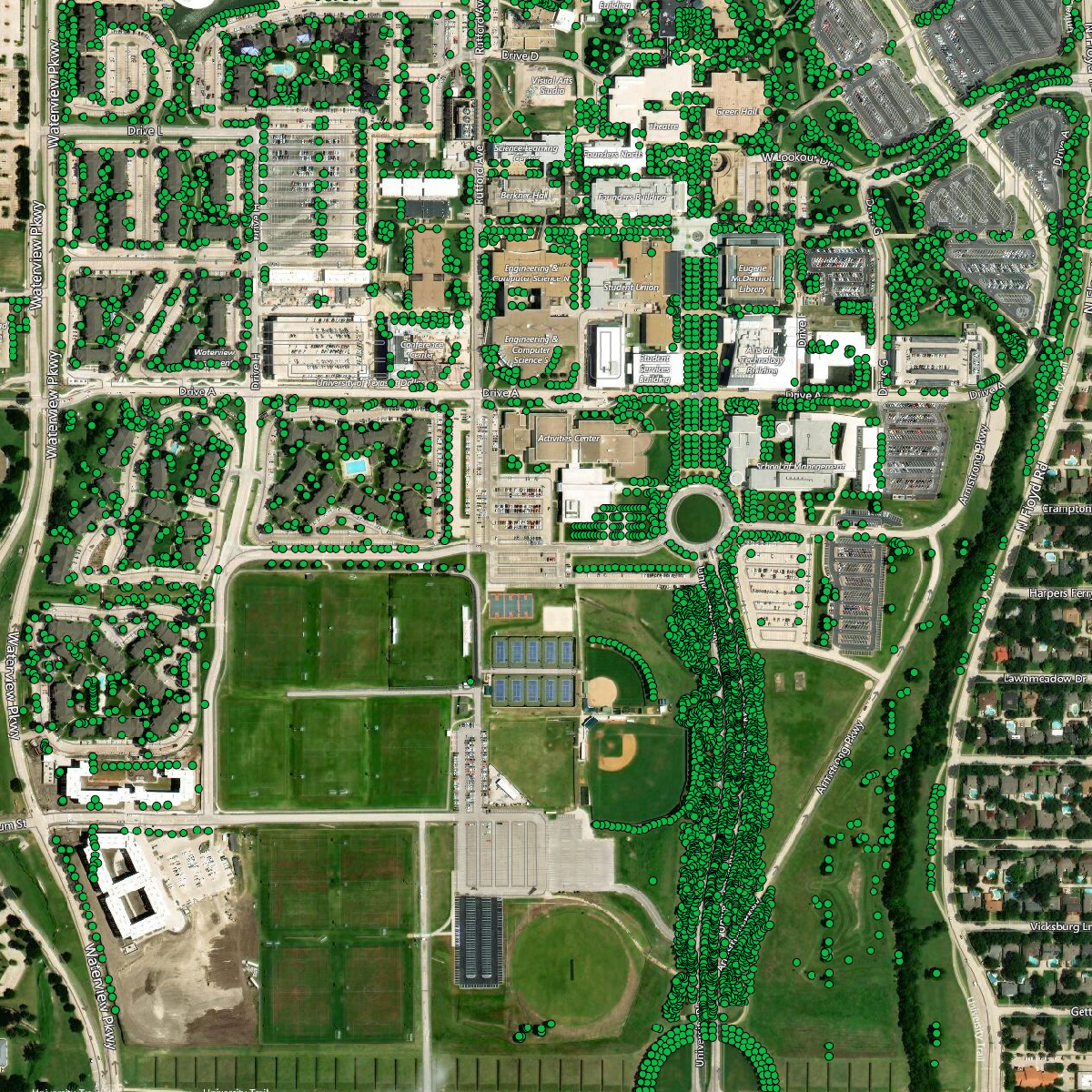
As part of existing tree management practices, a publicly accessible campus map and tree inventory has been made
available online for students, staff, and faculty to view. For any questions regarding
this viewer, please feel free to contact us.
Learn More >
Watch 2019 Viva Volunteers celebrate Texas Arbor Day by planting red oaks at the
VCB [Visitor Center and University Bookstore] entrance!
Can’t play the video? Download it in
MPEG-4 (MP4 [Moving Picture Experts Group MPEG-4 Video] ),
Ogg Theora (OGV [Ogg Theora Video] ), or
WebM (WEBM [WebM Video] ) format.
Pollinator Habitat
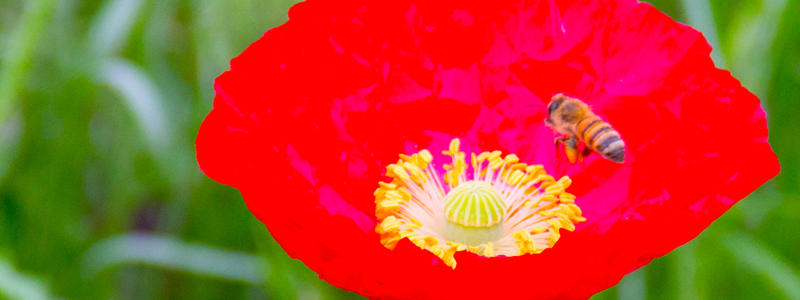
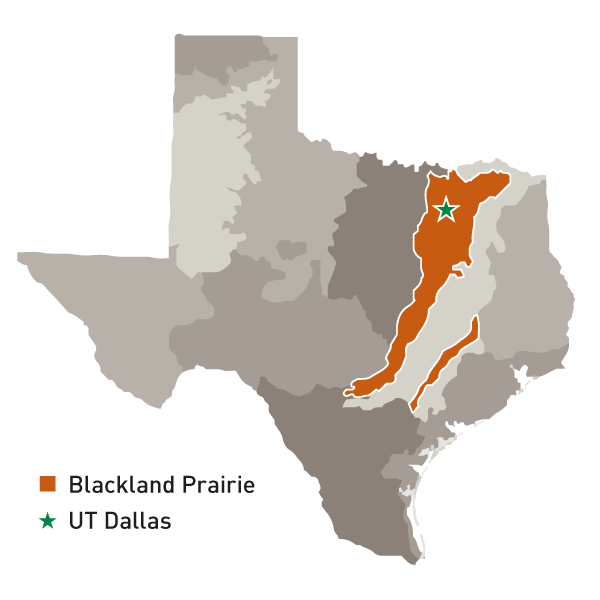
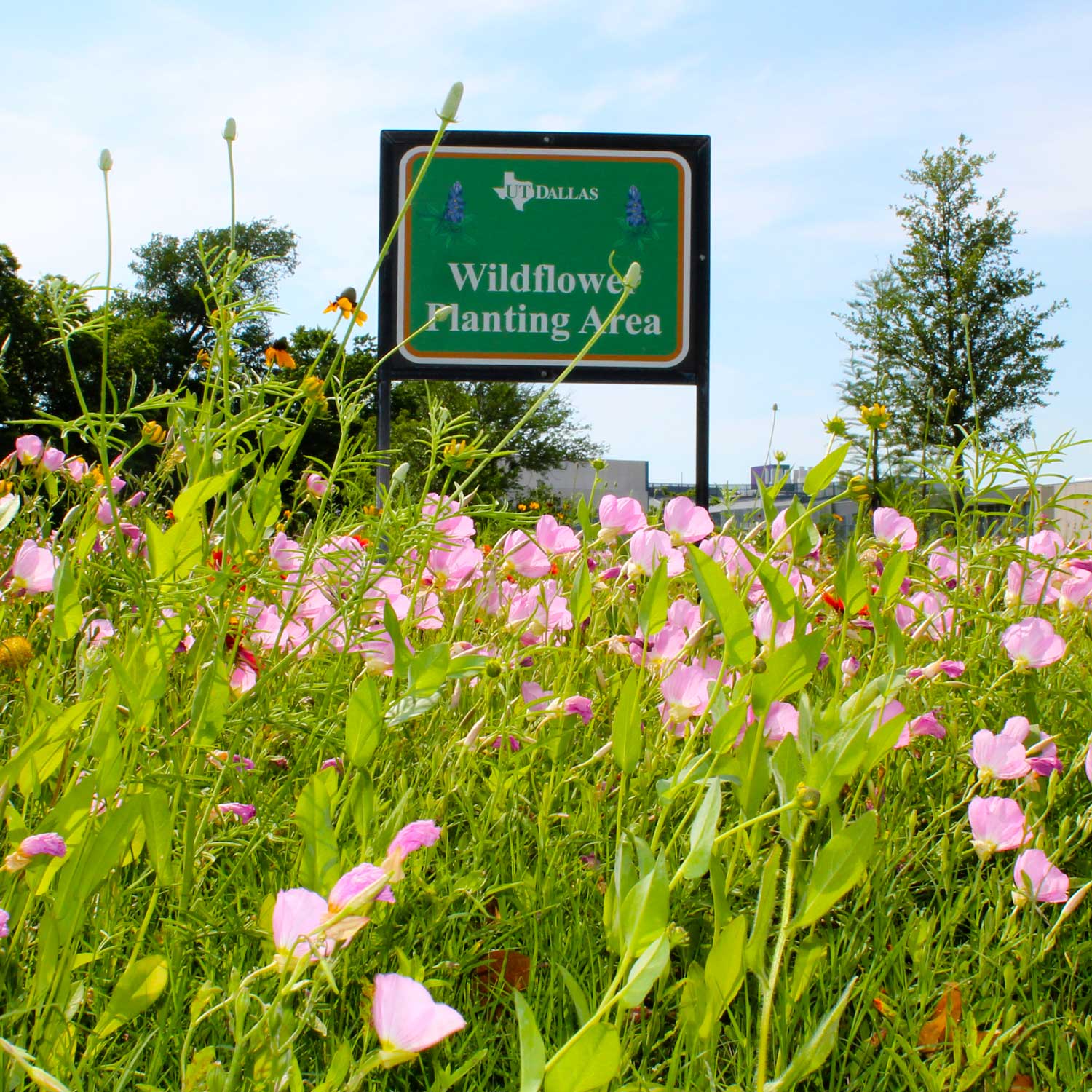
UT Dallas sits in Texas’ Blackland Prairie. The Blackland Prairie region is a strip of dark, rich soil encompassing much of Dallas and following the I-35 corridor. It’s known for its black, fertile soil which is very suitable for farming and grazing. The soil was so desirable that the Blackland Prairie is now one of the most endangered ecoregions in the United States with less than 1% of original prairie remaining. Facilities Management has established No-Mow Zones in several locations across campus to encourage native prairie grasses and flowering plants to grow and provide habitat to native pollinators.
Pocket Prairie
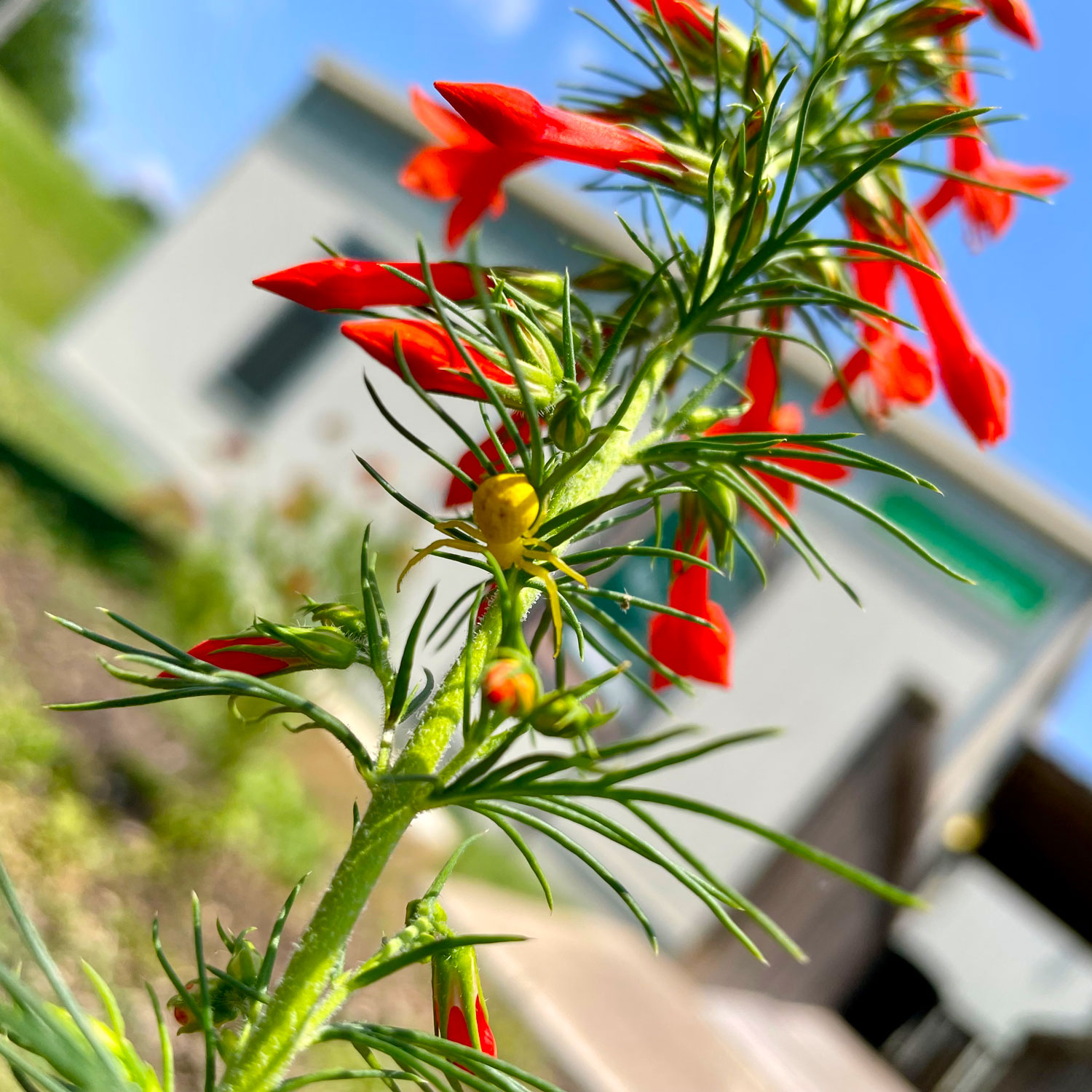
A spider climbs up the stalk of a Texas Plume, Ipomopsis rubra.
The UT Dallas restored pocket prairie, established in 2023, is another representation of the Blackland Prairie ecoregion on campus. This restoration project is a living, breathing ecosystem supporting native pollinators and other wildlife, as well as serving as an educational ambassador for the preservation and restoration of the Blackland Prairie. You can see live updates of the flora and fauna observed at the prairie on iNaturalist.
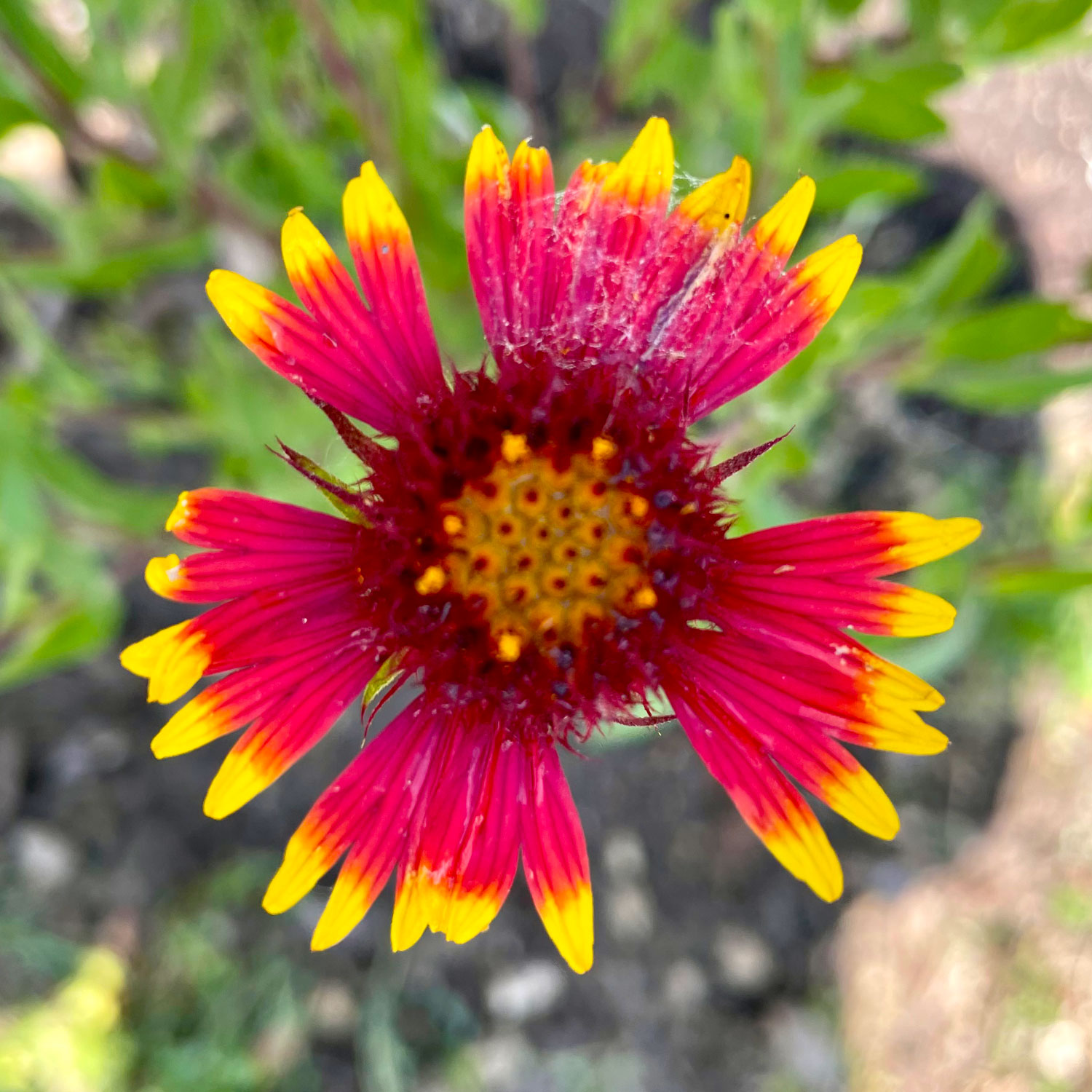
A Firewheel, Gaillardia pulchella.
Community Garden
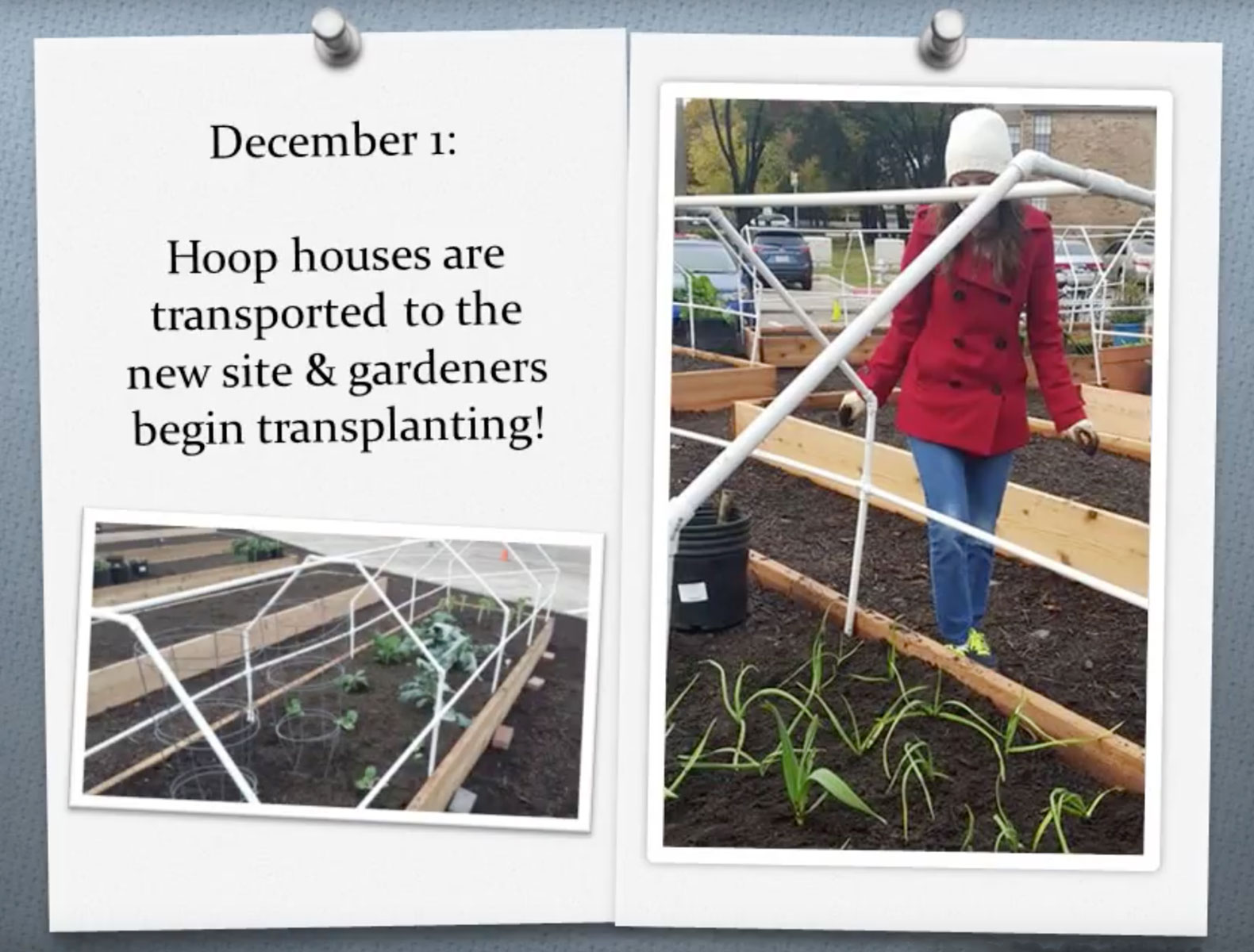
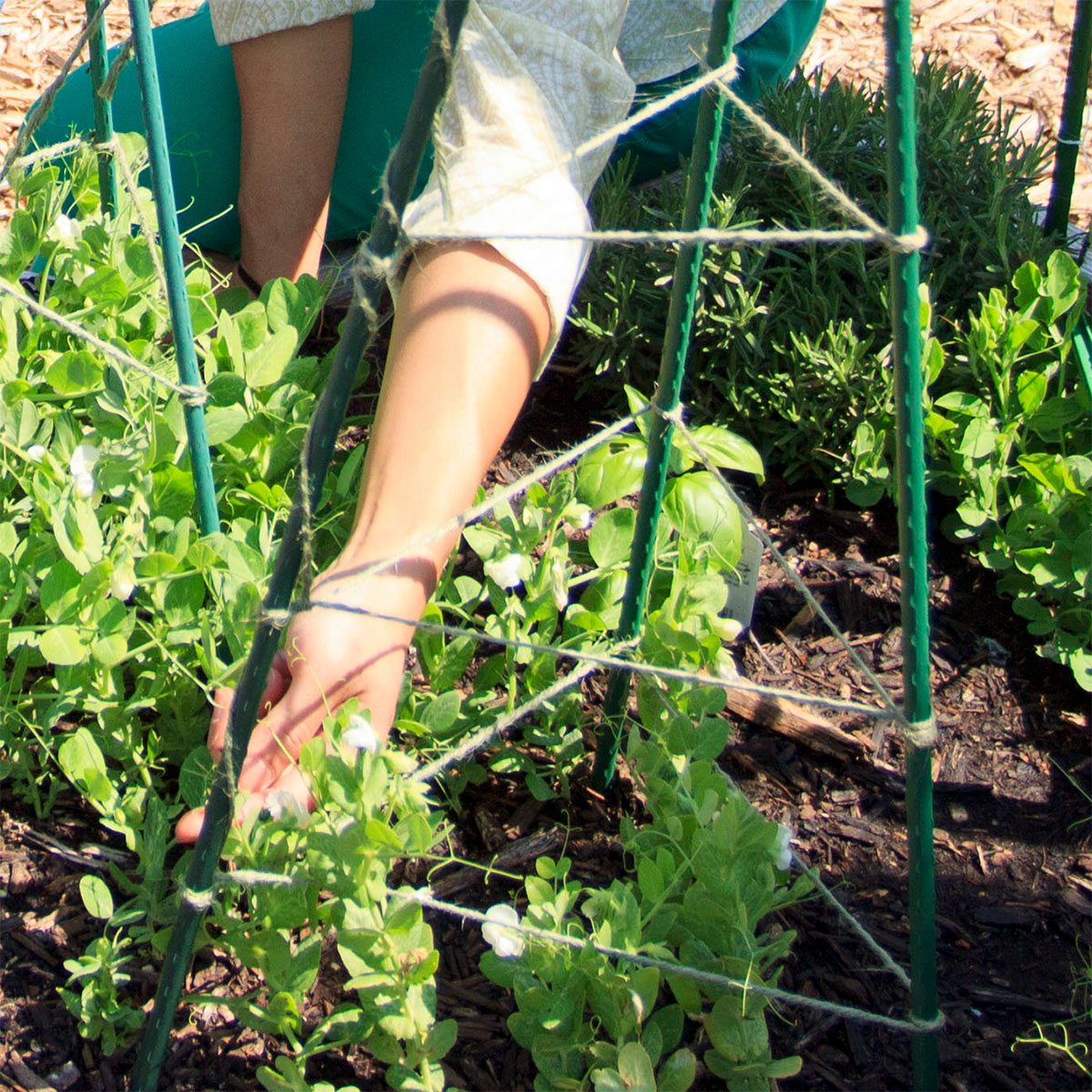
The UT Dallas Community Garden program provides Comets with the opportunity to enjoy
the benefits of natural gardening and community greening. The garden was established
in 2006 with an idea from the McDermott Scholars program and a grant from the UT Dallas
Alumni Development Fund. Students, staff, faculty and alumni are all invited to host
garden plots. Participants should contact the Office of Student Volunteerism to inquire
about joining the Community Garden.
ArbNet Arboretum Level I Certification
Since 2021, UT Dallas has been awarded a Level I Accreditation by The ArbNet Arboretum
Accreditation Program and The Morton Arboretum for achieving particular standards of
professional practices deemed important for arboreta and botanic gardens. The ArbNet
Arboretum Accreditation Program is the only global initiative to officially recognize
arboreta at various levels of development, capacity, and professionalism. UT Dallas is
also now recognized as an accredited arboretum in the Morton Register of Arboreta,
a database of the world’s arboreta and gardens dedicated to woody plants.


 Menu
Menu Search
 Contact Us